New Delhi and Washington are heading into the US midterm elections with a relationship far more strained than at any recent point, as a series of disputes over trade, immigration and regional policy have pushed India to adopt an unusually open tone of criticism toward the Trump administration.
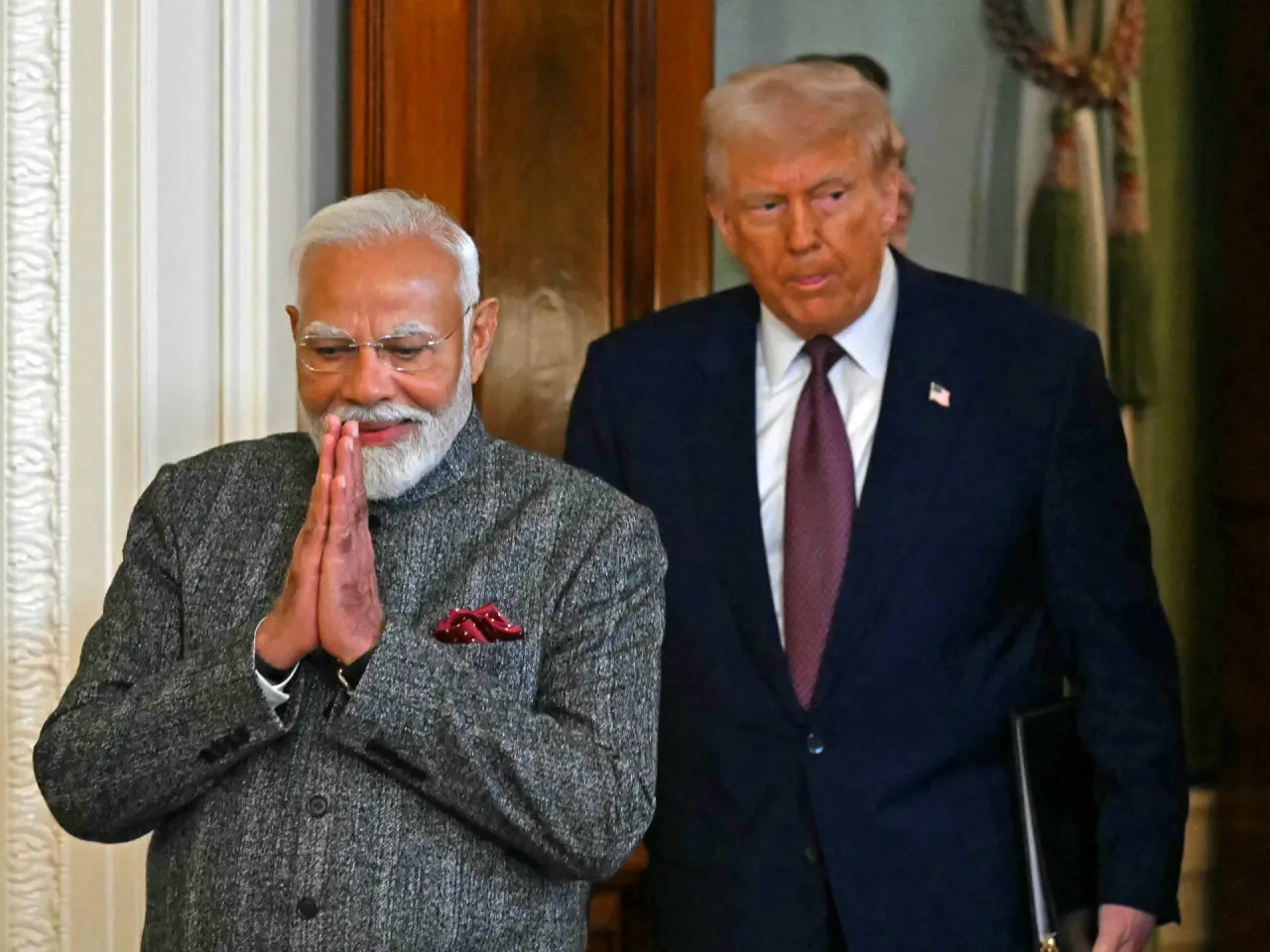
The contrast with just seven years ago is stark. In 2019, Indian Prime Minister Narendra Modi stood beside President Donald Trump at a packed stadium in Houston, Texas, before more than 50,000 Indian Americans, delivering effusive praise. "Every time [we meet], he has been the same: warm, friendly, accessible, energetic, and full of wit," Modi said. He even borrowed a line from his own successful election campaigns, declaring in Hindi: "Abki baar, Trump sarkaar!" — meaning "This time, a Trump government." Trump lost that election.
Now, as Trump faces midterm elections that could cost him significant numbers in Congress and potentially cripple his legislative agenda, the equation between New Delhi and Washington has shifted dramatically.
India has long enjoyed bipartisan support in Washington, though its strategic community has traditionally felt more at ease with Republican administrations. It was under Ronald Reagan that India and the US reset ties after decades of mistrust rooted in New Delhi's close relationship with Moscow. Under George W. Bush, the two countries struck a landmark civil nuclear deal between 2006 and 2008, granting India access to global nuclear technology and fuel despite its status as a non-signatory to the Non-Proliferation Treaty. Major military pacts were also signed during that period, including agreements allowing US ships and aircraft refuelling and logistical access to Indian bases.
Democratic administrations, by contrast, have historically been viewed in New Delhi as more critical of India's human rights record.
The warm personal chemistry between Modi and Trump had initially suggested that tradition of Republican-era goodwill would continue. Modi once called Trump "India's best friend in the White House." But Trump's second term has proved markedly different.
India, which typically addresses tensions with friendly nations quietly and through diplomatic back channels, has broken with that practice in recent months. A string of disputes has pushed New Delhi toward a more openly critical posture.
Last month, speaking at an event in New York, India's Minister of External Affairs S. Jaishankar delivered a pointed public assessment of the Trump administration. He said Washington had been an insensitive partner on India's concerns over terrorism, had warmed toward India's archrival Pakistan, and had pursued trade policies he described as "self-centred" and disproportionately harmful to the Global South.
"Countries should not be so self-centred that you're in your own world and take your decisions, and say, 'Well, it was not my intention to make your life difficult'," Jaishankar said.
Trade remains one of the sharpest points of friction. India is among the countries hardest hit by Trump's tariff regime, and negotiations toward a bilateral trade deal have stalled. Earlier this month, India's Finance Minister Nirmala Sitharaman said talks had reached a "plateau beyond which giving or taking might be very difficult."
Immigration has added further strain. Early in his second term, Trump ordered the deportation of undocumented Indian nationals, who were returned home shackled in chains — images that provoked widespread outrage in India.
The Trump administration's MAGA movement has also repeatedly targeted Indians and Indian Americans, deploying racist tropes and accusing them of taking American jobs through visa programmes such as the H-1B scheme. Anti-Indian rhetoric on US social media has reached levels described as unprecedented.
Analysts say the cumulative effect of these tensions has produced a significant shift in how New Delhi views the political landscape in Washington. Many believe the Modi government may now quietly prefer a Trump weakened by midterm losses — a reversal of the dynamic that saw Modi effectively campaign for Trump before American voters in 2019.