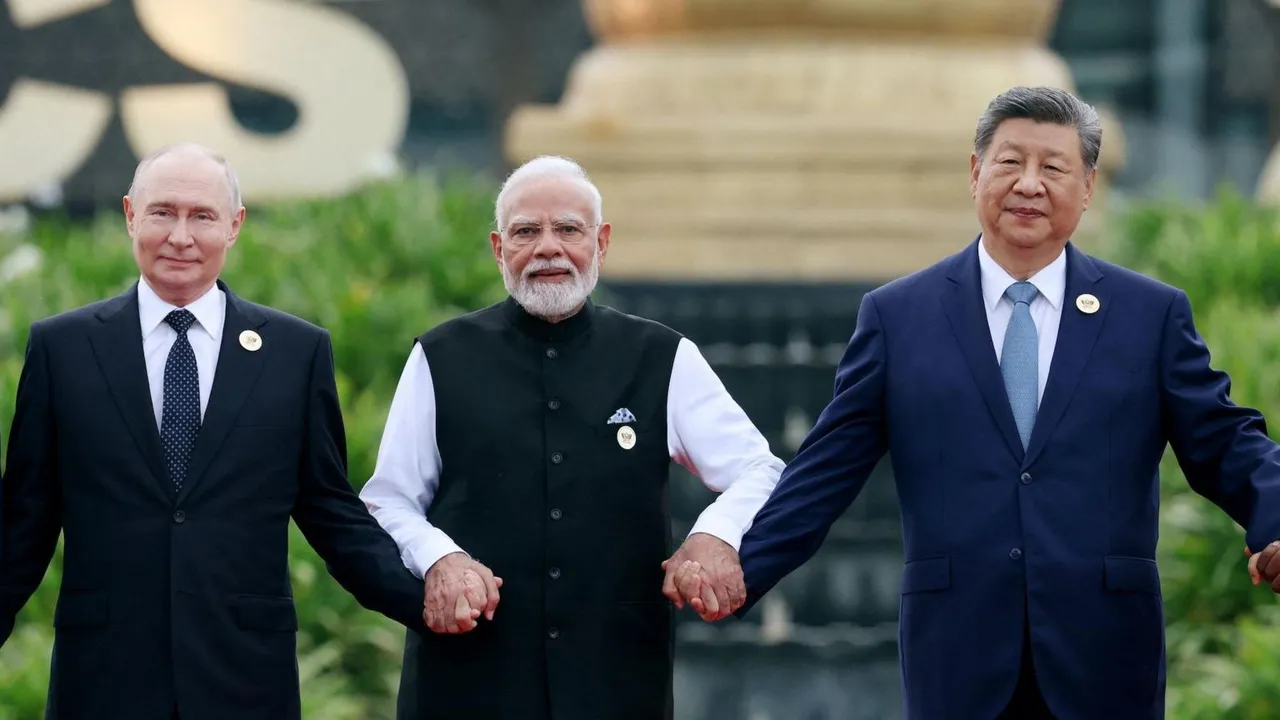
Indian Prime Minister Narendra Modi hosted one of the most consequential diplomatic gatherings in recent memory this weekend, bringing together leaders from across the BRICS group around a vast circular table in Delhi.
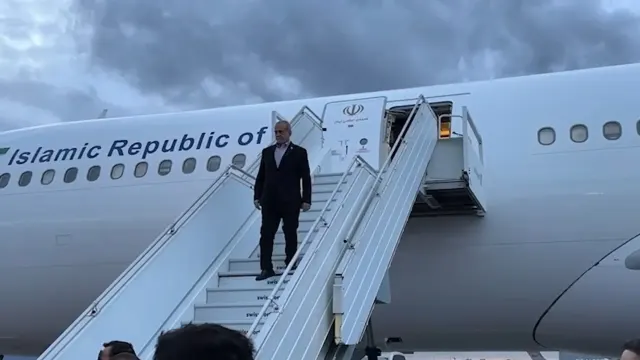
Modi declared that the assembled leaders should increasingly become "rule-shapers", not "rule-takers." Among those present were Chinese President Xi Jinping, Russian President Vladimir Putin, Iranian President Masoud Pezeshkian, Abu Dhabi's Crown Prince Sheikh Khaled bin Mohamed bin Zayed Al Nahyan, and South African President Cyril Ramaphosa.
The group is far from a natural alliance. Its members carry histories of border disputes and military confrontations. India and China fought a deadly clash along their disputed border in 2020. Iran and the UAE have found themselves on opposing sides of the war in the Middle East, with Tehran having launched missiles and drones at its fellow BRICS member.
The fact that India succeeded in gathering these leaders in person was widely seen as a testament to its diplomatic reach.
The summit produced a joint declaration, the "New Delhi Declaration", adopted on the first day. That outcome was notable in itself. Twice earlier this year, meetings between BRICS ministers had failed to produce any joint statement at all. This time a consensus was reached, but largely by sidestepping the issues on which members most sharply disagree.
On the war in the Middle East, the declaration urges "maximum restraint" and condemns "attacks on civilian infrastructure and peaceful nuclear facilities", but assigns no blame to any party. It reiterates support for a two-state solution and opposes the forced displacement of Palestinians or any actions that could "legitimise or prolong occupation", framing the language carefully around existing UN resolutions.
The declaration makes no mention of Russia's war in Ukraine, a notable departure from previous BRICS statements.
On trade, the document lists concerns over "indiscriminate rising tariffs" and condemns unilateral sanctions, but stops short of naming the United States. The omission is seen as a deliberate effort to avoid provoking Washington.
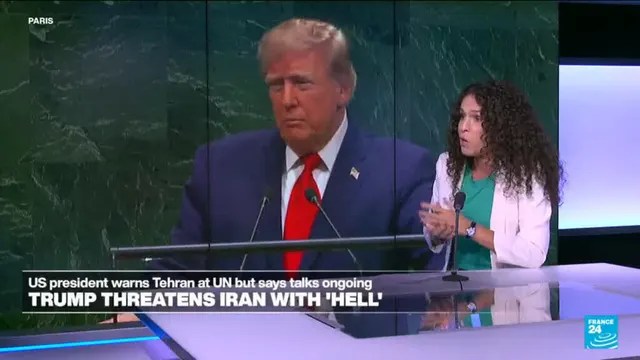
Several BRICS members were reluctant to draw the anger of US President Donald Trump, who has previously described the group's proposals, including plans to link central-bank digital currencies for cross-border trade, as "anti-American."
"Not mentioning any country by name, even as they condemned the conflict in the Middle East, bears the hallmark of India," said Praveen Donthi, senior analyst at the International Crisis Group. "I was pleasantly surprised that there was a strong reference to tariffs, because India could have wanted to be less direct about it, but perhaps this was a chance to convey their displeasure," he added.
Beyond the declaration, the summit provided a platform for bilateral meetings that would have seemed difficult to imagine only months ago. Iran's Pezeshkian and Abu Dhabi's Crown Prince held face-to-face talks, described as the highest-level direct meeting between the two countries since the war in the Middle East began.
The gathering offered Tehran an opportunity to demonstrate that it does not stand isolated amid US and Israeli military pressure and economic restrictions. As Iran contends with US sanctions, Washington's so-called "Operation Economic Outcast", and a naval blockade on its ports, Pezeshkian pressed for deeper economic ties with BRICS members including Malaysia, India, and Ethiopia.
For China, the summit marked President Xi's first visit to Delhi in seven years. Relations between the two countries had been strained since the 2020 border clash, though tensions have since eased. A significant trade imbalance remains, with the deficit tilting heavily in China's favour.
The meeting between Xi and Modi was cordial but measured. The two leaders exchanged a handshake rather than Modi's customary embrace. Xi also departed after less than 24 hours, skipping the gala dinner hosted by Modi on Saturday evening.
Despite those signals, the weekend was still regarded as a significant moment for both countries, and for the broader group navigating a rapidly shifting global order shaped by war, trade conflict, and great-power rivalry.