Heavy rainfall has triggered floods and landslides across parts of South Asia, killing at least 56 people in the northern Indian state of Uttar Pradesh and at least 12 in neighbouring Nepal over recent days.
Hrishikesh Bhaskar Yashod, Uttar Pradesh's relief commissioner, said the state recorded 66.5mm of rain between Friday and Sunday morning, compared with a seasonal average of 7.6mm for the same period.
The deaths, along with 46 injuries, occurred during a spell of "exceptionally heavy rain that has affected much of Uttar Pradesh," according to the commissioner's office. More than 1,000 houses were damaged after "a depression over the Bay of Bengal moved inland and intensified rainfall across the region," it added.
Home to more than 240 million people, Uttar Pradesh is frequently affected by rain and thunderstorms during the annual monsoon season, which runs from June to September.
In the eastern state of Odisha, more than 70,000 people living in low-lying areas were evacuated as rivers rose due to heavy downpours. The rains damaged bridges and culverts, forcing officials to close Devkund, a popular tourist destination in the state.
India's Central Water Commission reported that 30 river-monitoring stations across seven states were in a "severe situation." Major rivers, including the Ganga, Gandak, Kosi, Bagmati and Narmada, had risen above danger levels.
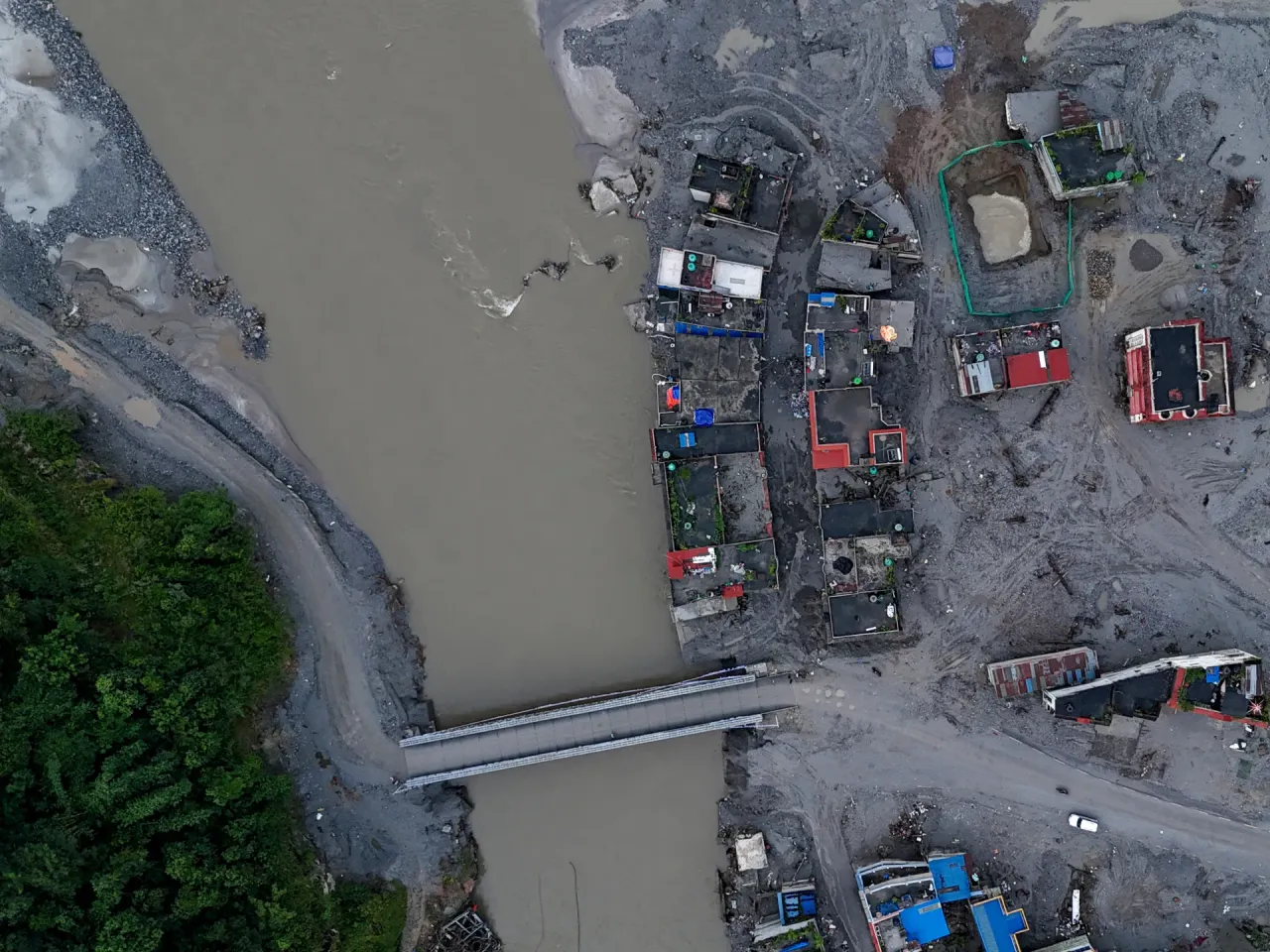
In Nepal, a new wave of flooding and landslides has killed at least 12 people since Thursday, with several others reported missing. The country was still recovering from a devastating flood in late August that killed more than 1,400 people and left thousands missing.
Authorities issued warnings of possible flash floods in 49 of the country's 77 districts, with more than half facing high flooding or flash-flooding risks as water levels in major rivers and tributaries continued to rise.
Power supplies were disrupted in the Manang, Mustang, Myagdi and Baglung districts, with authorities working to restore electricity, officials at the Ministry of Energy, Water Resources and Irrigation said.
Water Resources and Energy Minister Biraj Bhakta Shrestha said flooding of the Rahuganga River had damaged the structure and transmission-line towers of a 40-megawatt hydropower project.
Shanti Mahat, a spokesperson for the National Disaster Risk Reduction and Management Authority, said the Rasuwa and Nuwakot areas, which were hit hard by last month's floods, should remain "alert" but were not currently considered high-risk zones.