Australia's landmark social media ban for children under 16 is facing its first major legal test, with online platform Reddit and advocacy group Digital Freedom Project arguing before the High Court in Canberra that the law is unconstitutional.
The challenge was heard on Tuesday, nearly one year after the ban took effect on 10 December last year.
Inside the courtroom, Reddit's lawyer Perry Herzfeld argued the law breached the freedom of political expression implied in Australia's constitution. He said the ban was "ill thought out," contradicted the advice of Australia's online safety regulator, and was rushed through without genuine public consultation, with stakeholders given only 24 hours to make submissions.
The Digital Freedom Project, led by New South Wales politician John Ruddick, argues the ban unconstitutionally restricts teenagers' ability to participate in political discourse. "Social media is an important means of accessing news and engaging in political communication for young Australians, including children under 16," the group stated in written submissions. "The restriction also risks removing beneficial sources of connection, support and participation."
Ruddick told reporters outside the court that the policy amounted to "censorship."
Reddit, in its written submission, pointed to problems enforcing the ban, a lack of scientific evidence about the harms of social media, and argued that the approach was more dangerous in practice. The company said registered accounts were governed by built-in safety features, while material on many platforms could still be accessed without an account. "Young people using other platforms without an account are also unable to be protected from exposure to particular harmful content as they previously had been," its submission read.
Reddit also said the evidence so far showed the effectiveness of the ban had been limited. A study published in August by Australia-based researchers found little evidence to suggest teenagers had stopped using social media despite the ban.
The company said it shared Australia's goal of protecting young people online "but there are better and more effective ways" than a blanket ban. "As we challenge this law in court, we'll continue to comply with it and advocate for more effective youth safety measures," said Reddit's chief communications officer Adam Collins.
Speaking outside the High Court, Communications Minister Anika Wells defended the legislation. "We are here to defend a fundamental tenet of Australian democracy, which is an Australian's right, and particularly an Australian child's right, to be free from harm," she said. "We seek to defend that from sustained ideological attack."
Wells described the question of what society is willing to accept from tech platforms as "the most compelling policy question of our time."
Inside the court, government lawyer Joanna Davidson SC began outlining why the government believed social media harmed children. She is expected to continue presenting the government's case on Wednesday.
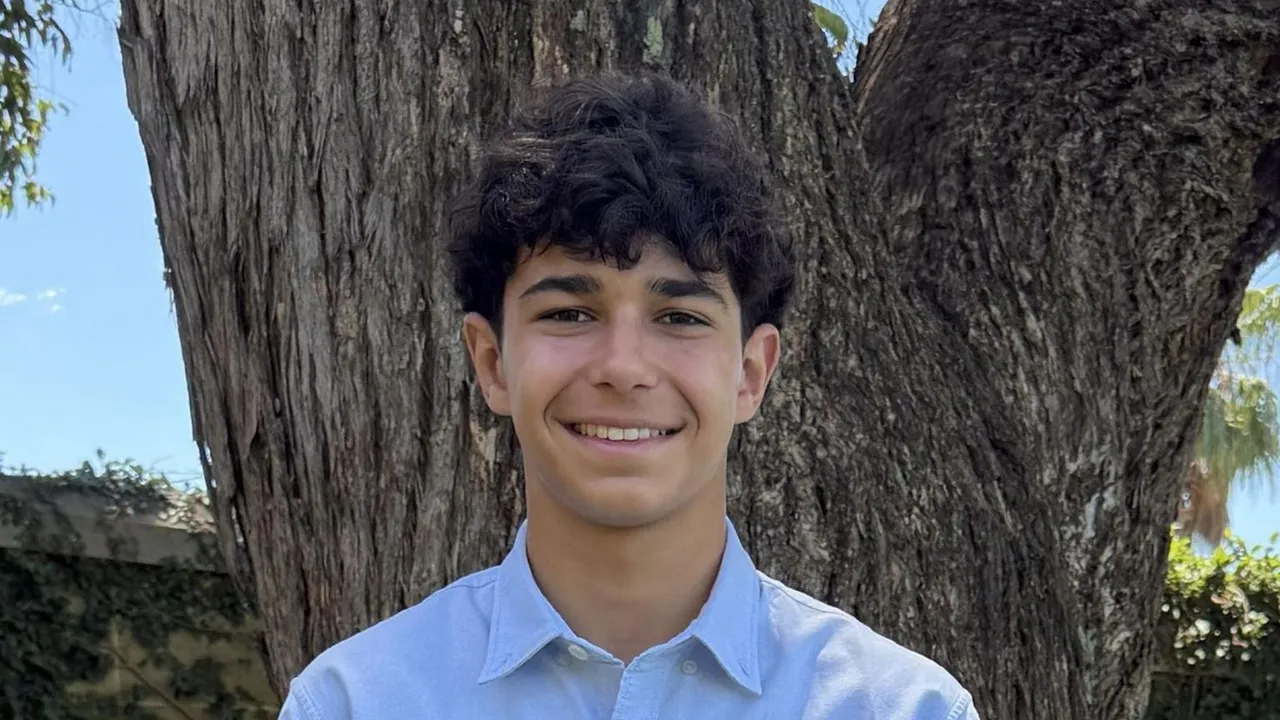
The constitutional challenge was originally filed by the Digital Freedom Project a few weeks before the ban came into force. Two teenagers, Noah Jones and Macy Neyland, who initially spearheaded the case, have since withdrawn as plaintiffs without publicly stating their reasons. Jones told media outside the court that children deserved to have their voices heard. "If the children aren't collaborating and sharing their own views, then they're just spectators in their own world," he said.
Under the ban, ten platforms — Facebook, Instagram, TikTok, YouTube, Reddit, Snapchat, X, Kick, Threads and Twitch — must take "reasonable steps" to ensure no one under 16 can access their services. Platforms face fines of up to A$99 million (approximately US$70 million) for serious or repeated breaches.
Since the ban started, no company has been fined. However, the eSafety Commissioner, the body tasked with enforcement, has launched several investigations into alleged non-compliance by Facebook, Instagram, Snapchat, TikTok and YouTube.
WhatsApp, online gaming platforms such as Roblox and Discord, and educational services including YouTube Kids and Google Classroom were not included in the ban.
In the first days after the ban took effect, Meta, which owns three of the banned platforms, said it had closed approximately half a million accounts. Some children reported being removed from their accounts before and after the ban began, though many said they were able to easily circumvent age verification checks, which included uploading credit card details, photo identification or a selfie.
Separately, Meta and its platforms Facebook and Instagram are facing a class action lawsuit in Australia alleging that addictive design features have harmed children and teenagers. The suit was filed on behalf of eight plaintiffs who allege they were harmed by Meta while under the age of 18.
It remains unclear how long the High Court will take to reach a decision in the constitutional challenge.