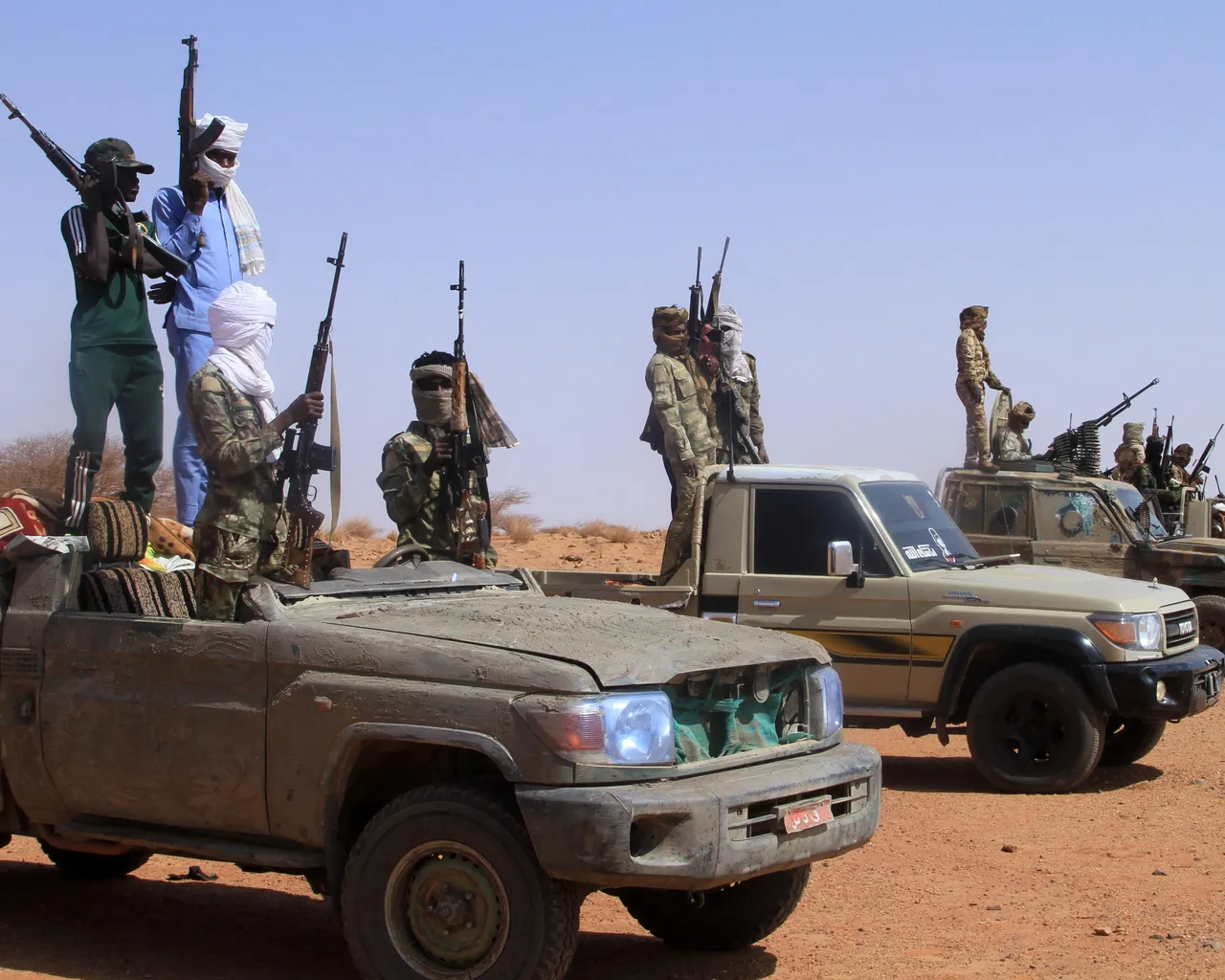
The United Kingdom has imposed sanctions on 15 senior Sudanese military commanders implicated in sexual violence and mass atrocities during the siege and fall of El Fasher, on the first anniversary of the massacre.
The sanctions target commanders from both the Rapid Support Forces (RSF) and the Sudanese Armed Forces (SAF). Both groups have been subjected to travel bans and asset freezes.
The Foreign Office said it hoped the action would ensure "the horrors that took place at El Fasher will be known to the world."
Up to 10,000 men, women and children are believed to have been slaughtered over two days during the RSF's takeover of the city — described as the fastest and largest massacre of civilians this century. A further 40,000 people remain unaccounted for.
The killings came at the end of an 18-month starvation siege by the RSF, which was allegedly backed by the United Arab Emirates. The UAE continues to deny supporting the RSF.
Fewer than 70,000 people are believed to remain in El Fasher, compared with a prewar population of more than one million. Testimony from inside the city indicates routine detention, torture and unlawful killings continue.
Among those targeted by the sanctions is Hussein Abu Jalak, an RSF colonel linked to atrocities during the siege, which forced hundreds of thousands of civilians to survive on animal feed. Another individual named is Al-Nour Ahmed Adam, also known as "Al-Qubba," identified as playing a prominent role in the attack on the city.
An earlier investigation revealed that internal US and UK warnings were sidelined in the run-up to the RSF assault on El Fasher, and that action which might have saved lives was not taken.
A statement from the Coalition on Atrocity Prevention and Justice for Sudan said: "The victims will not be forgotten, survivors will be heard, and we will continue to pursue accountability for those responsible."
Sudan's wider conflict has forced 14 million people to flee their homes and has increasingly taken the form of a drone war. In the latest strikes, the RSF targeted power stations across east Sudan in a coordinated drone attack, causing widespread power outages.


