The Kenyan government has confirmed four additional cases of the Ebola Bundibugyo virus, raising the total number of confirmed infections in the country to seven.
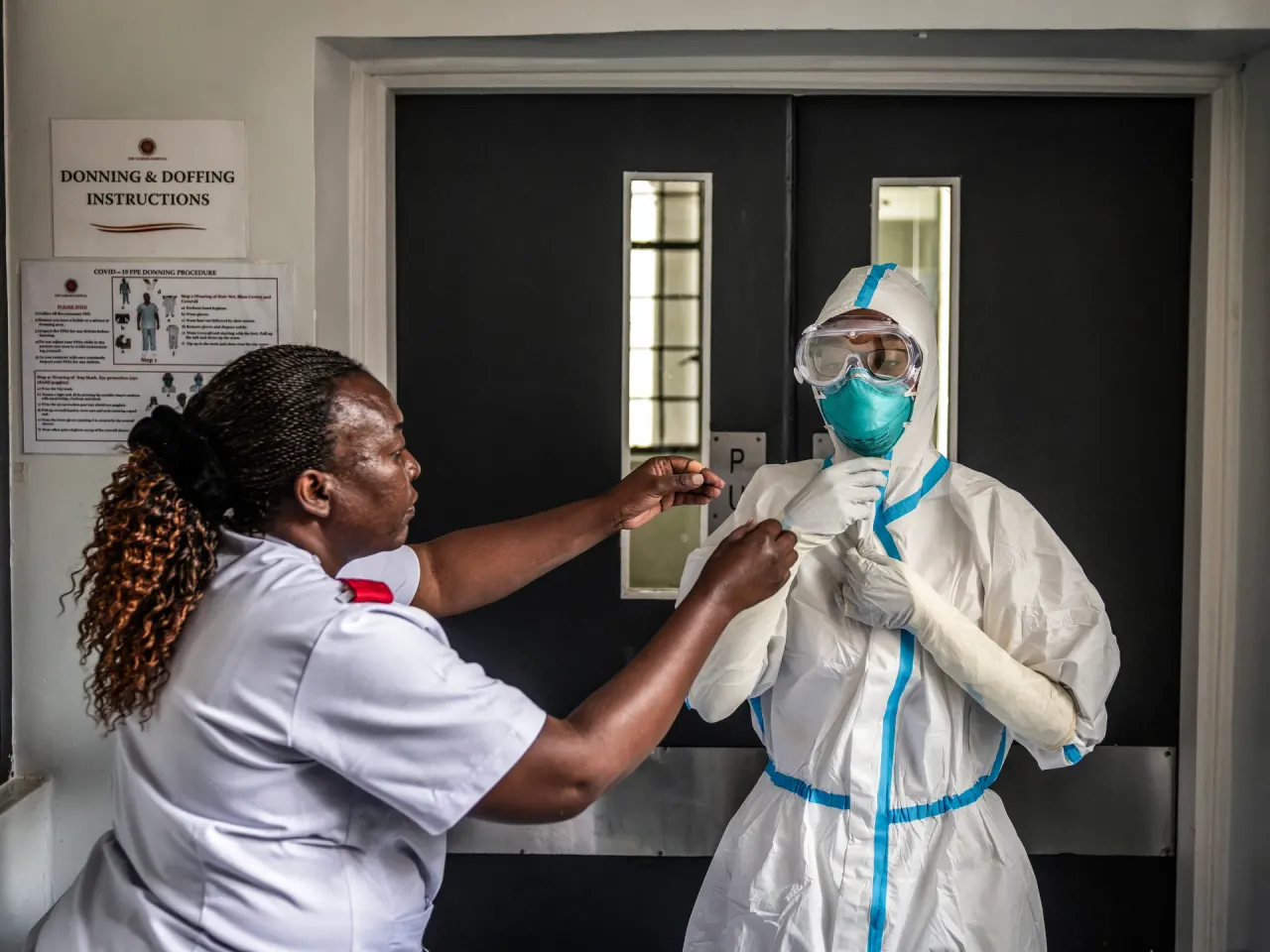
Three of the new cases involve health workers who treated Kenya's first Ebola patient, the Ministry of Health said in a statement published on Saturday. The fourth is a relative of that same patient, who died from the disease.
The relative had been in quarantine since October 6, the ministry said.
The announcement came a day after Kenya confirmed three earlier cases. The patient identified on Friday was described as a "primary contact and a close relative of the first and second cases."
Kenya's index patient died on October 5. The individual had been ill in the Democratic Republic of the Congo for a month before flying to Nairobi on October 3. The cases confirmed since then are the first known infections transmitted inside Kenya.
Kenya's outbreak is linked to the ongoing Ebola epidemic in the Democratic Republic of the Congo, which has recorded more than 9,000 cases and more than 4,300 deaths since it was officially detected in May.
Of the index patient's 130 contacts, the Health Ministry said 128, or 98.5 percent, had been quarantined. That figure exceeds the global benchmark of 85 percent considered necessary to break the chain of transmission.
The ministry said it has traced and quarantined nearly all of the first patient's contacts and that there is no evidence the virus is spreading in the wider community.
Authorities have strengthened screening measures and established a hotline for anyone who suspects they may have been in contact with an Ebola patient. However, questions have been raised over how the index patient managed to bypass health screenings upon arriving in Kenya and make contact with so many people before the disease was detected.
Ebola spreads through direct contact with the bodily fluids of an infected person, including blood and vomit, or through contact with contaminated materials and surfaces such as bedding and clothing.
The strain driving this outbreak is the Bundibugyo strain, for which there are currently no approved vaccines or treatments. The absence of medical countermeasures has complicated efforts to contain the disease.
Research to develop vaccines effective against the Bundibugyo strain is ongoing, with some candidates already in the early phases of human trials.