The fastest-growing Ebola outbreak on record began in February, months before it was officially declared on May 15, the World Health Organization has confirmed. Mohamed Janabi, the WHO's regional director for Africa, told a news conference on Monday that genetic sequencing indicated the outbreak's true start date, with early cases wrongly attributed to malaria and typhoid. "So we are chasing the virus, the virus is ahead of us," Janabi said.
Confirmed cases in the Democratic Republic of Congo have reached 4,200, including at least 1,900 deaths, according to the latest government figures. The outbreak is caused by the rare Bundibugyo strain of the Ebola virus, for which no approved vaccines or treatments exist. Early testing focused on the more common Zaire strain, contributing to diagnostic delays. WHO Director-General Tedros Adhanom Ghebreyesus said last week that new cases are doubling in some hotspots and that the virus is spreading faster than efforts to contain it.
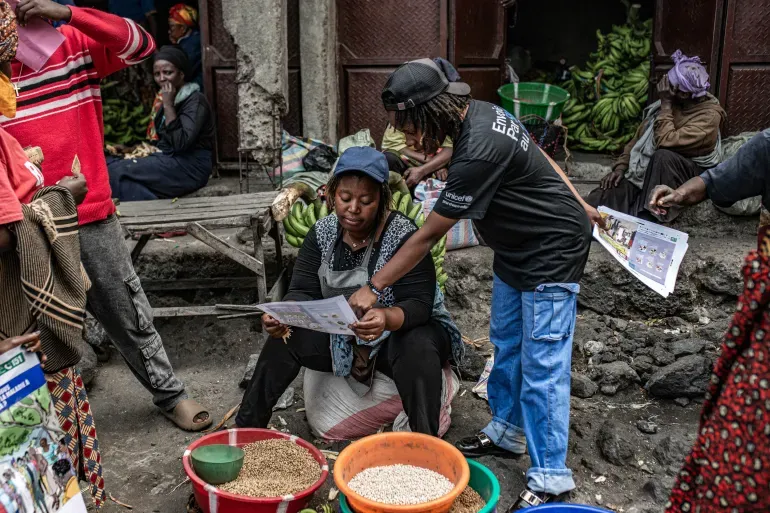
The outbreak is unfolding under severe operational constraints. Some health workers have gone on strike over unpaid wages, rebel groups have posed security threats, and misinformation claiming Ebola is not real has spread among communities. Health teams are navigating remote, unpaved roads amid reported shortages of protective gear, while large numbers of displaced people lack reliable access to clean water.
This outbreak has killed more people at a faster rate than any previous Ebola surge, including the 2014-2016 West Africa outbreak, which remains the deadliest on record with over 11,000 deaths across at least 28,000 cases. That outbreak took approximately eight months to reach 1,000 deaths. On Friday, the WHO recommended the start of full-scale human trials for Ervebo, the only licensed Ebola vaccine, after early data suggested it may offer some protection against the Bundibugyo strain. Two potential Bundibugyo-specific vaccines are currently in early-stage clinical trials, with a third in development.
Several previous Ebola outbreaks have also been declared weeks or months after their actual onset. The 2014-2016 West Africa outbreak was officially declared in March 2014, although the first human case was later traced back to December 2013.