A British healthcare worker who tested positive for Ebola is being evacuated from the Democratic Republic of the Congo to the United Kingdom for specialist medical treatment.
"A British citizen currently in the DR Congo has tested positive for Ebola," a UK government spokesperson said on Wednesday. "The UK has well-established procedures for dealing with cases like this, and those processes have been activated. The risk to the UK public from Ebola remains low."
The patient, whose identity has not been disclosed, is reported to be in a stable condition. According to an official document seen by sources, the individual is expected to arrive in the UK on Wednesday or Thursday and will be transferred by specialist ambulance to a high-consequence infectious disease unit.
The worker was deployed to DR Congo by a humanitarian organisation to assist with the response to the ongoing outbreak. This is the first confirmed case of a British national contracting Ebola during the current outbreak.
The Royal Free Hospital in London operates a high-level isolation unit for infectious diseases including Ebola. Similar specialist facilities are also available in Newcastle and Liverpool.
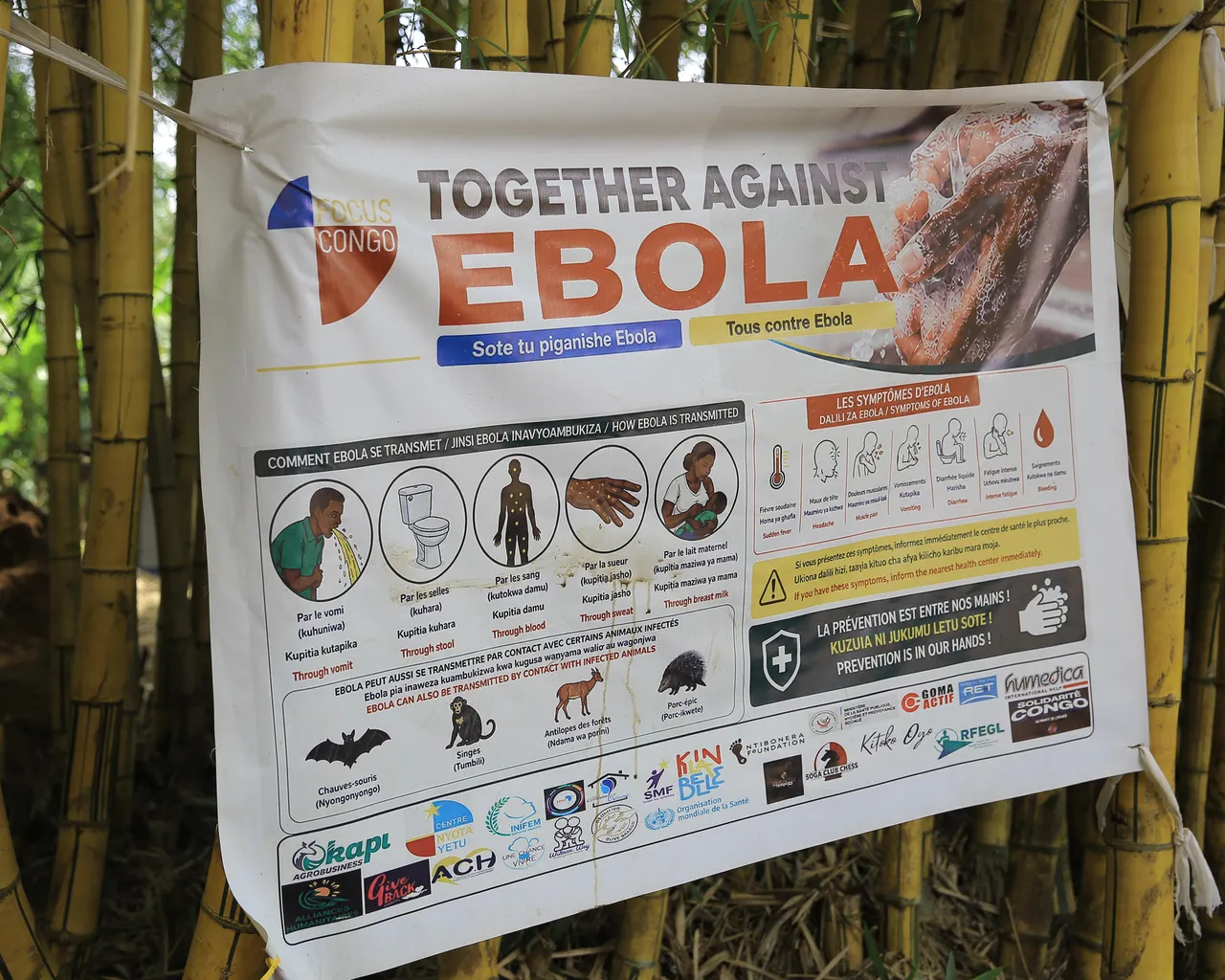
Ebola is a highly contagious, severe and often fatal illness spread through direct contact with body fluids such as blood or vomit from infected individuals, or through contact with the bodies of those who have died from the disease.
The current outbreak was declared on 15 May by DR Congo's health ministry. It has surpassed 10,000 cases and 5,000 deaths, making it the largest and deadliest in the country's history. It is the 17th outbreak in DR Congo since Ebola was first identified and is caused by the Bundibugyo virus, for which there is no approved treatment, though vaccine trials are under way.
The outbreak has spread beyond DR Congo's borders. Kenya and Uganda have both recorded cases, and last month Nigeria confirmed a case in its capital, Abuja, after a woman who had arrived from Uganda tested positive. She and a close contact were subsequently evacuated to Switzerland for treatment.
Other patients have been medically evacuated for specialist care since the outbreak began. Two were sent to Germany, one to the Netherlands, and a case was reported in France in July.
Dr Jean Kaseya, Director General of the Africa Centres for Disease Control and Prevention, warned last month that the scale of the outbreak was unprecedented and that no country should consider itself safe.
"We want all countries to know that they are not safe if they don't take appropriate measures," he said. "Each country, not only in the African region, but all continents, must now increase the preparedness level and the possibility for treatment."
"It is the first time three African regions have been affected by Ebola. The geographic extension of this outbreak is unprecedented," he added.
British health authorities have reiterated that the risk to the wider public from imported Ebola cases remains low and that the NHS has procedures in place to manage both suspected and confirmed infections.
According to the UK Health Security Agency, only four confirmed Ebola cases have been recorded in Britain since 1976.


