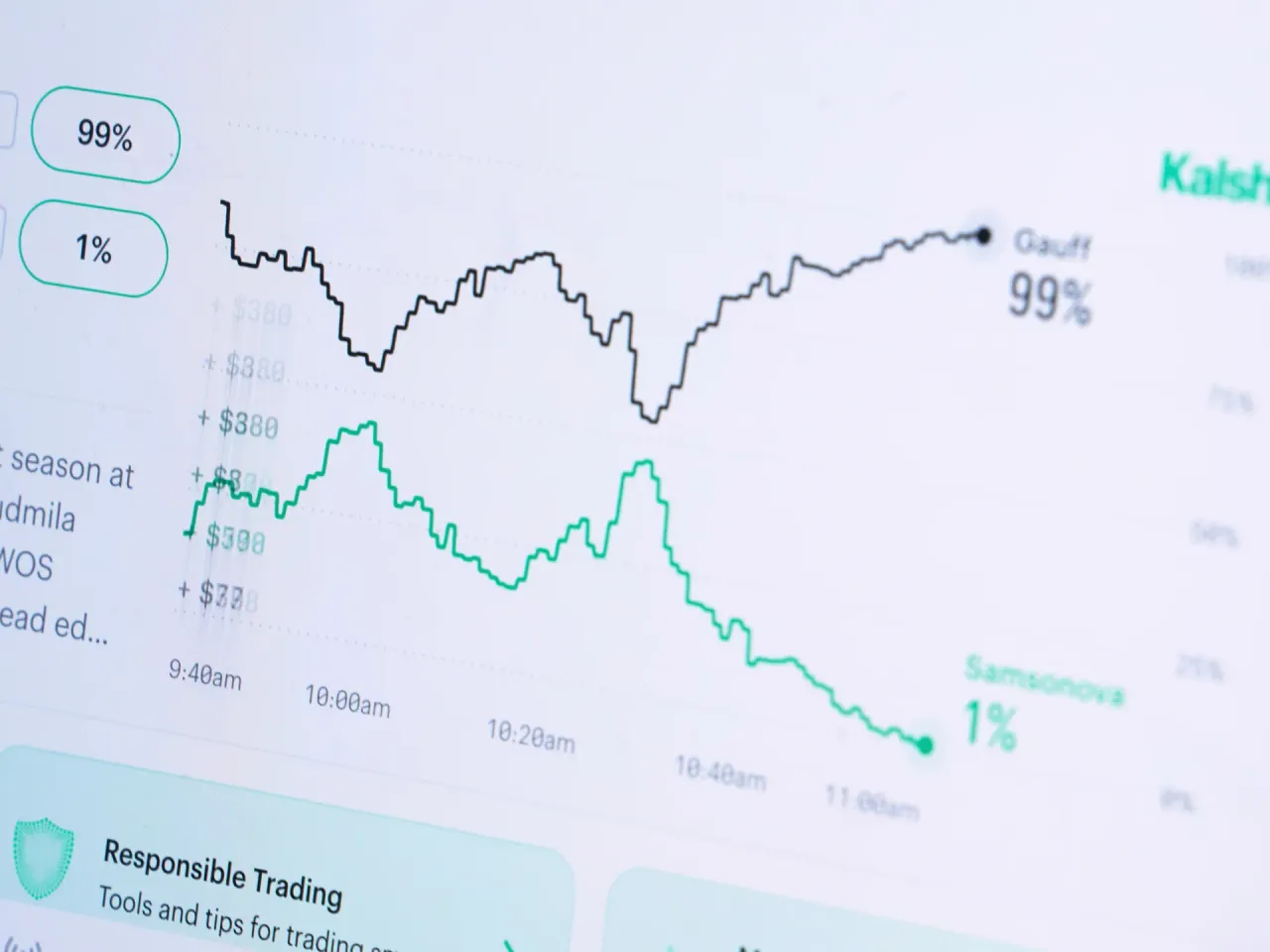
A United States appeals court has ruled that states can regulate prediction markets, rejecting a bid by the company Kalshi to exempt so-called event contracts from state gambling laws.
The ruling, issued Friday by the 6th US Circuit Court of Appeals in Cincinnati, is the latest development in an ongoing debate over oversight of prediction markets, whose explosive growth has prompted ethical and regulatory questions.
Judge Julia Smith Gibbons wrote for the unanimous three-judge panel that Ohio and Tennessee can regulate event contracts under their respective gambling laws.
The decision deepens a divide among federal appeals courts over the authority of state and federal regulators in this area, raising the possibility that the US Supreme Court could weigh in on the matter.
Two other federal appeals courts have previously addressed whether prediction markets are subject to state gambling laws. The 9th Circuit in San Francisco ruled last month that Kalshi's event contracts are subject to Nevada's gambling laws. The 3rd Circuit in Philadelphia ruled in April that Kalshi's contracts are not subject to New Jersey's.
Prediction markets have become increasingly popular in the United States, allowing users to place bets on sporting events, presidential elections, cultural developments, and geopolitical scenarios.
Experts have raised concerns about the proliferation of prediction markets and betting apps, particularly among young people.
The regulatory pressure extends beyond the courts. The state of New York filed a lawsuit on Thursday against prediction market platform Polymarket, arguing that it is operating as an unlicensed gambling operation. The company said it would "fight for its users."
"By running an unlicensed gambling operation, Polymarket has done more than just knowingly violate state law, they have put New Yorkers at risk, especially those underage who are most vulnerable to problem gaming," Governor Kathy Hochul said in a statement.