Hurricane Isaias has killed at least four people and left hundreds of thousands without power across the southeastern United States after making landfall in Florida late Friday.
The storm struck near Destin, Florida, as a Category 2 hurricane with maximum sustained winds of 105mph (168km/h) before weakening to a post-tropical cyclone with wind speeds of around 35mph (55km/h) by Saturday morning.
Two deaths were reported in Florida and two in Alabama. In Florida's Escambia County, a woman was killed when a tree fell on her house during the storm. Her husband, Joey Williams, described the moment the tree came through the roof while they were inside.
"I was able to squeeze out. My wife didn't make it," Williams said.
A second death in the county involved a man who died from carbon monoxide poisoning after running a generator in an improperly ventilated garage. Four other people in the same house were taken to hospital.
Alabama Governor Kay Ivey confirmed two deaths in her state without providing further details on the circumstances. "Unfortunately, we have also learned that two Alabamians have lost their lives," she said in a statement.
In Alabama, a sheriff was also injured when a tree fell on him while he was responding to a car crash.
Power outages were widespread. More than 900,000 electricity customers in Florida, Alabama and Georgia were without power early Saturday morning. That figure had fallen to below 700,000 by Saturday afternoon, according to PowerOutage.us.
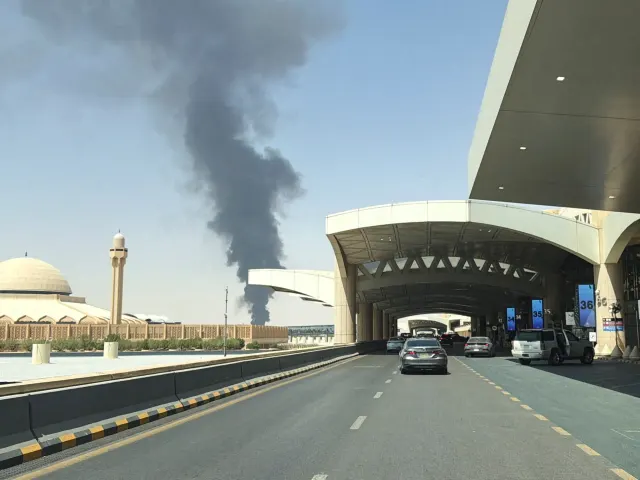
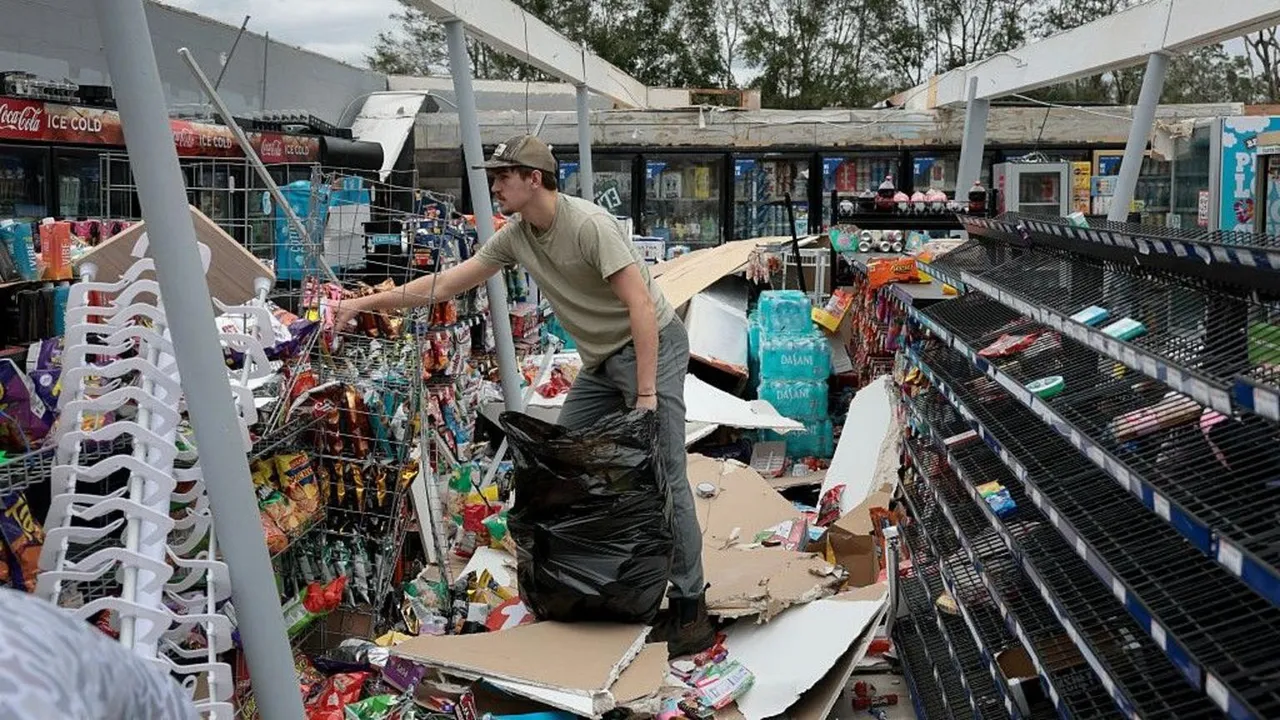
The storm felled trees, downed power lines and ripped roofs off buildings. In Pensacola, Florida, strong winds damaged an airport and tore the roof off a hotel. Roads were blocked by fallen trees and debris across the region.
Flooding forced road closures in parts of southern Alabama, including Houston County. Officials had to rescue people from vehicles submerged by floodwaters. The Florida National Guard said soldiers stopped, swam to a truck stuck in a flood ditch and pulled its occupants to safety.
Florida Governor Ron DeSantis warned that dangerous conditions were not over. "The flooding story is not over," he said, cautioning that saturated ground and continued rainfall could cause dangerous flooding a day or two after the storm passed. He said state search and rescue resources would remain on standby.
Alabama Governor Ivey said officials were also concerned about "strong winds, heavy rain and possible spinoff tornadoes" generated by the storm system.
In Charleston, South Carolina, officials asked residents to stay home Saturday night as high tide was expected to reach 7.5ft (2.3m). "After dark, floodwater is much harder to see and it's impossible to judge how deep it is from behind the wheel," the city said.
The National Oceanic and Atmospheric Administration warned that the Carolinas and Georgia could see flooding from up to 10 inches (25cm) of rainfall as the storm continued moving northeast.
The US Energy Department announced it would release up to four million barrels of crude oil from the Strategic Petroleum Reserve as an emergency measure to address fuel supply disruptions caused by the hurricane. "With this emergency exchange, the Energy Department is acting swiftly to help maintain refinery operations, limit disruptions to fuel supplies, and ensure American families and businesses continue to have access to affordable, reliable, and secure energy," Secretary of Energy Chris Wright said.
Florida Attorney General James Uthmeier warned residents to be alert for contractors seeking to exploit storm victims as homeowners begin repairing damaged properties.
Hurricane Isaias was the first hurricane of the 2026 Atlantic season, which has largely been delayed due to El Nino conditions in the Pacific. Alabama, Florida and Georgia all declared states of emergency ahead of the storm's arrival, with Florida and Alabama also issuing mandatory evacuation orders to thousands of residents.