The World Health Organization has said it still does not know what caused the pneumonia that killed a laboratory worker at a Russian plague research institute, and that no case of plague has been registered.
Russia's state health regulator told the WHO that tests on the worker and people who had been in contact with her were negative for the dangerous pathogens they tested for, the UN health agency said in a statement on Saturday.
"Based on the information provided… WHO has not identified evidence of ongoing transmission associated with this event. A key uncertainty remains the absence of a confirmed diagnosis in the deceased laboratory worker," the WHO said.
The worker, identified by Russian media as Darya Shipilova, a 28-year-old laboratory technician at the Irkutsk Antiplague Research Institute of Siberia and the Far East, fell ill and died on October 2. Her death prompted authorities to quarantine approximately 200 people.
Russia's health watchdog Rospotrebnadzor said she had been diagnosed with "pneumonia of unknown aetiology." Russian authorities said the worker was appropriately vaccinated and that no microorganisms linked to her work were found in her body. Post-mortem tests did not detect plague, they said.
Pneumonic plague, a lung infection caused by the bacterium Yersinia pestis, which is usually found in small mammals and their fleas, was suspected early on. The governor of neighbouring Buryatia said the woman had "died, maybe of the plague."
Her contacts showed no symptoms, and no further linked cases of severe pneumonia had been found, the WHO added. A local official said on October 6 that 60 percent of those placed in quarantine had already been released.
Russia did not initially notify the WHO about the worker's death. Instead, the WHO learned of the case through media reports and on October 3 sought verification and additional information from Russian authorities. It took Russia several days to respond. On October 6, Russian health officials told the WHO there were no cases of plague in the region.
On Thursday, Russia said it had completed health checks on all contacts and had provided the WHO with all available information.
WHO Director General Tedros Adhanom Ghebreyesus on Wednesday asked Russia to respond to media reports of a second employee with pneumonia of undetermined cause. Russia dismissed those reports as "false information."
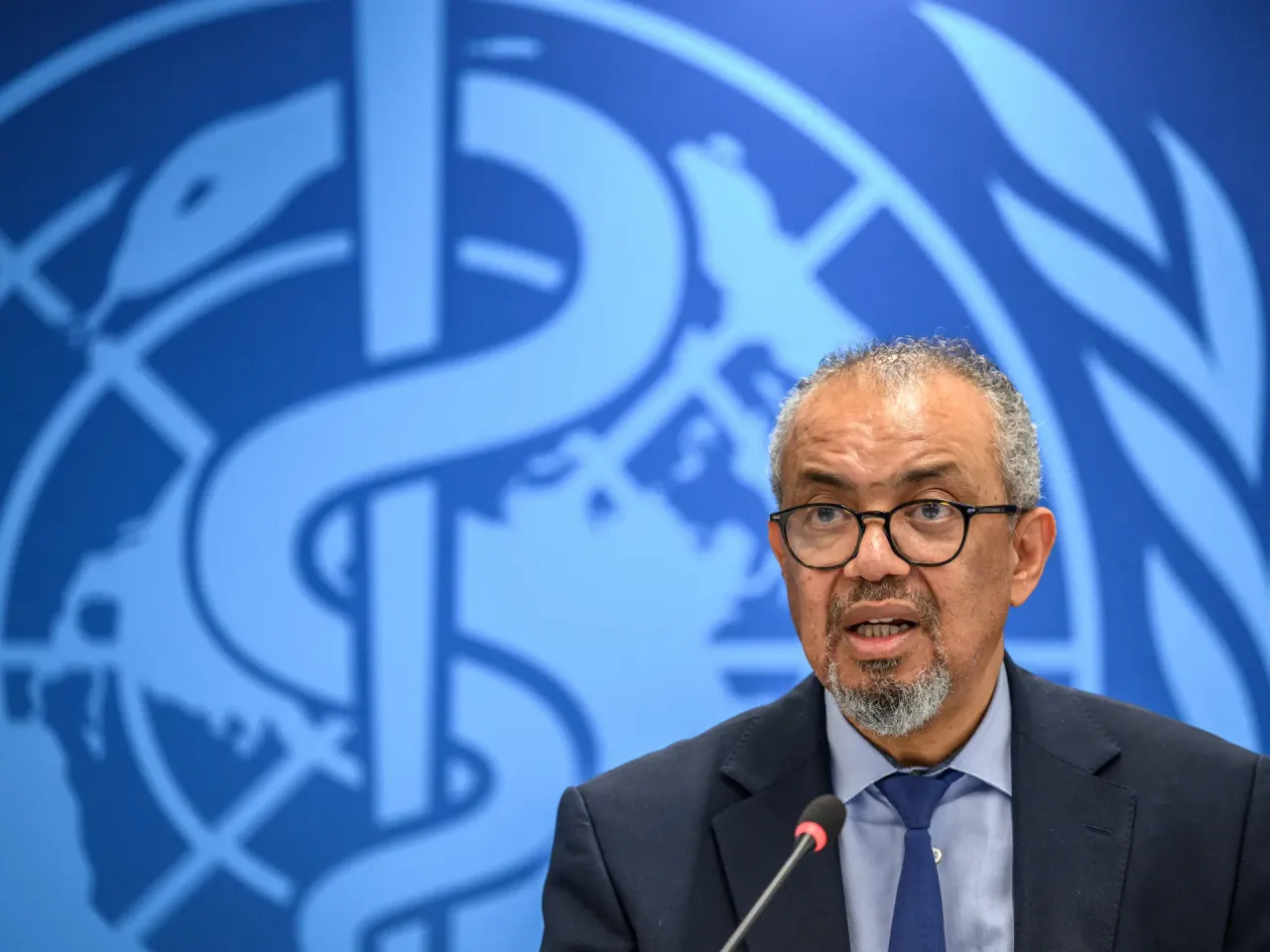
At a WHO press conference on Wednesday, Tedros also invoked the International Health Regulations, a legally binding framework requiring countries to share health information that could have international implications. "We don't yet have the full picture of this event," he said. "Timely, complete and transparent information sharing under the international regulations is essential to clarify conflicting reports and enable an accurate assessment of potential public health risks."
The International Health Regulations, which count 197 signatories including the United States and Russia, require countries to notify the WHO within 24 hours of detecting a serious health event. Pneumonic plague is among the diseases explicitly listed under the regulations as requiring assessment and potential notification.
The United States also called on Russia for transparency in the case.
Global health officials have been on heightened alert for deadly pneumonia cases of unknown cause since the COVID-19 pandemic. The cause of individual pneumonia cases often cannot be determined.