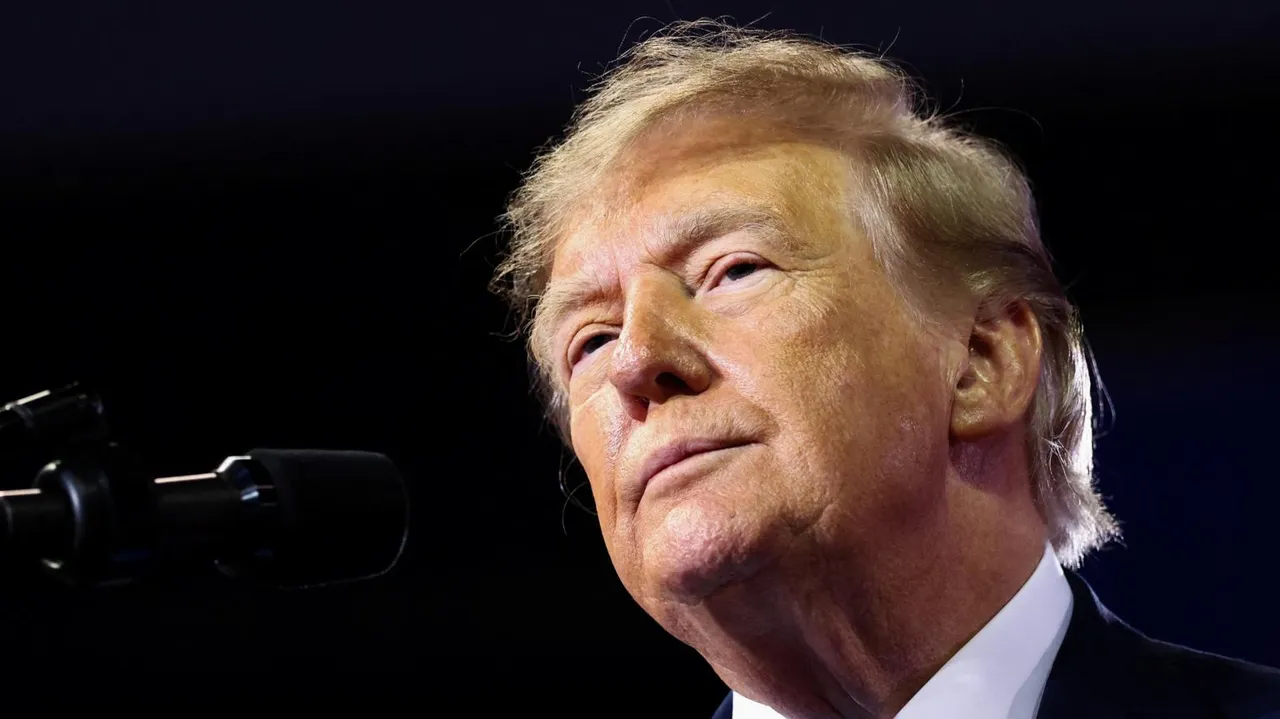
US President Donald Trump has defended his decision to suspend several sanctions against Russia, saying the move is aimed at keeping Moscow engaged in peace negotiations over the war in Ukraine.
"I am in the process of negotiating Peace in the war between Russia and Ukraine," Trump wrote on his Truth Social platform, adding that he did not want to "do anything that will drive, foolishly, Russia away from the bargaining table."
Trump blocked numerous sanctions on Friday night, two days before they were due to take effect. The sanctions had been passed by the US Congress and signed into law by the US president in September.
US Secretary of State Marco Rubio described the suspension as a 60-day pause, during which the potential impact of the measures on the US and global economies would be assessed.
Russian envoy Kirill Dmitriev welcomed the decision, calling it "an important and truly historic moment." He said the sanctions would have inflicted "serious damage" on the US and global markets.
In the same Truth Social post, Trump accused Ukrainian President Volodymyr Zelensky of prolonging the conflict. "He doesn't want to end this war, and probably never did," Trump wrote, adding that Zelensky "could have made a better deal two years ago than he can now." Trump also claimed that negotiations were making "great progress" but alleged Zelensky was reluctant to reach a deal partly because of continued European financial support for Ukraine.
Zelensky pushed back sharply. Speaking to a US broadcaster on Sunday, he said siding with Russian President Vladimir Putin would be a "historic mistake." He has repeatedly argued that it is Putin, not Ukraine, who does not want peace, a position he has maintained since Russia launched its full-scale invasion in February 2022.
Zelensky also said he believed the Trump administration would go on to lift further sanctions against Russia. He described a separate US deal to import Russian diesel as tantamount to investing in Russia's war effort. Ukraine and its European allies have criticised that arrangement, which Trump said was intended to help lower US energy prices.
Relations between Washington and Kyiv have deteriorated in recent weeks. At a European Union summit, after Trump announced the diesel deal and said Zelensky was "more difficult to deal with" than Putin, Zelensky said it was good to be among "real leaders."
Concerns that Washington is tilting toward Moscow have been further fuelled by disruptions to Starlink, the US-provided satellite communications system used by Ukrainian forces. The disruptions hampered Kyiv's ability to defend against Russian attacks.
Zelensky said US officials attributed the slowdowns to technical issues. However, he said Ukraine had tested Starlink on EU territory and found it operating at higher speeds. Trump denied deliberately slowing the network and also rejected Zelensky's claim that the US had stopped sharing defence intelligence with Ukraine.
Despite years of international sanctions, Russia has continued to export oil, largely to China and India, often at significant discounts. According to the Centre for Research on Energy and Clean Air, China has absorbed approximately half of Russia's crude exports, with India accounting for around 37 percent.