A Ukrainian counter-offensive known as Operation Vivaldi has liberated 277 square kilometres of territory in the eastern Donbas region, according to Kyiv. The operation, now concluded, pushed Russian forces back across a stretch of the front near Lyman in eastern Ukraine.
The offensive's name reflects its four stages, described as seasons, in a reference to the Italian composer's violin concerto. Ukrainian commanders say the assault blunted a Russian pincer movement that had threatened to encircle key cities in the so-called Fortress Belt still under Ukrainian control.
Kyiv claims the operation inflicted approximately 8,000 Russian casualties. Ukrainian authorities also report close to 50,000 Russian casualties along the entire front during the month of September alone, saying their own losses were comparatively low. No Russian official has publicly acknowledged the Ukrainian advances.
Russian Ministry of Defence briefings described the situation only as "repelling attacks" in the Lyman region or "improving the tactical position at the front." Pro-Russian military bloggers, however, acknowledged the Ukrainian advances, according to the Institute for the Study of War, and expressed concern that further Russian losses could follow.
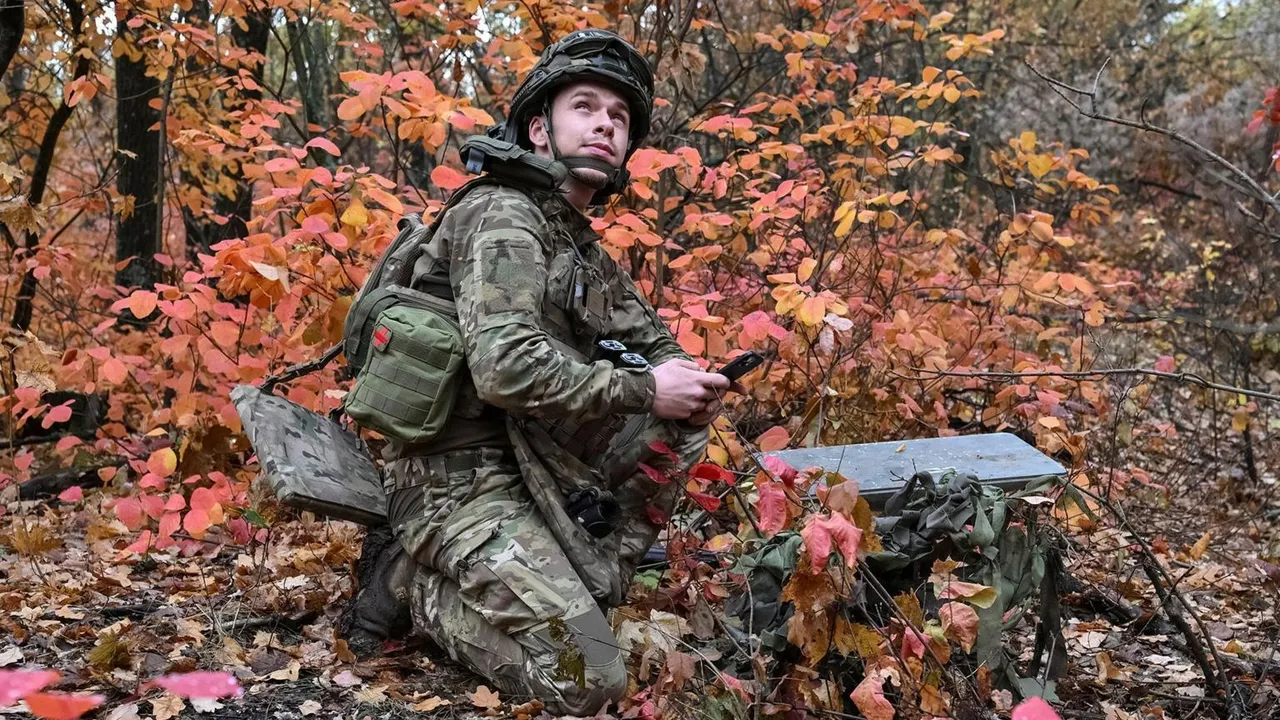
On the ground, the battlefield is defined by layers of technology operating simultaneously. Command bunkers receive live video feeds from hovering cameras. Attack drones engage enemy reconnaissance aircraft. Unmanned ground vehicles deliver supplies, evacuate the wounded, and increasingly lead assaults on enemy positions.
A commander identified by the call-sign Phoenix, leading the Silver Trinity unit of the Revenge Brigade, said his men face an average of ten Russian drones per day. During one observed exchange, a Ukrainian drone swooped in, hovered briefly, and dropped a net onto a Russian reconnaissance drone, dragging it from the sky. Had the Russian drone located the soldiers below, a second drone carrying explosives would have followed.
Integrated across all of these systems is Starshield, the military version of Elon Musk's Starlink satellite communications network. It provides broadband connectivity across the battlefield and is described as vital for interceptor and mid-range strike drones.
As Operation Vivaldi concluded, Ukraine announced that restrictions had been imposed on the Starshield system without warning, limiting its battlefield capability. Reports and statements attributed to Musk suggest the order may have originated from the White House. Ukrainian officials said the sudden and unannounced nature of the restrictions had sparked serious concern, even though Ukraine is not wholly dependent on the system.
While the offensive has produced gains at the front, Russia has simultaneously intensified strikes across Ukraine from the air, targeting energy infrastructure and killing scores of civilians throughout the country.
Soldiers who spent 95 days advancing on the front line have now rotated out. An infantryman using the call-sign Dealer described the experience upon reaching the command post after his tour. "It's an impressive operation," he said. "Over three months, we moved positions four times." He identified Russian drones, piloted remotely and relentlessly tracking their targets, as the most frightening threat he faced.
Despite the territorial gains, Russian drones remain a constant presence over the front. Every element of modern operations in this sector, from movement and communication to targeting and supply, depends on digital connectivity. Yet commanders acknowledge that it is still soldiers in trenches who ultimately hold the ground.