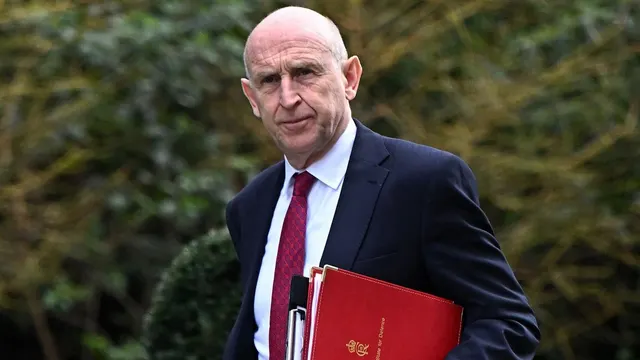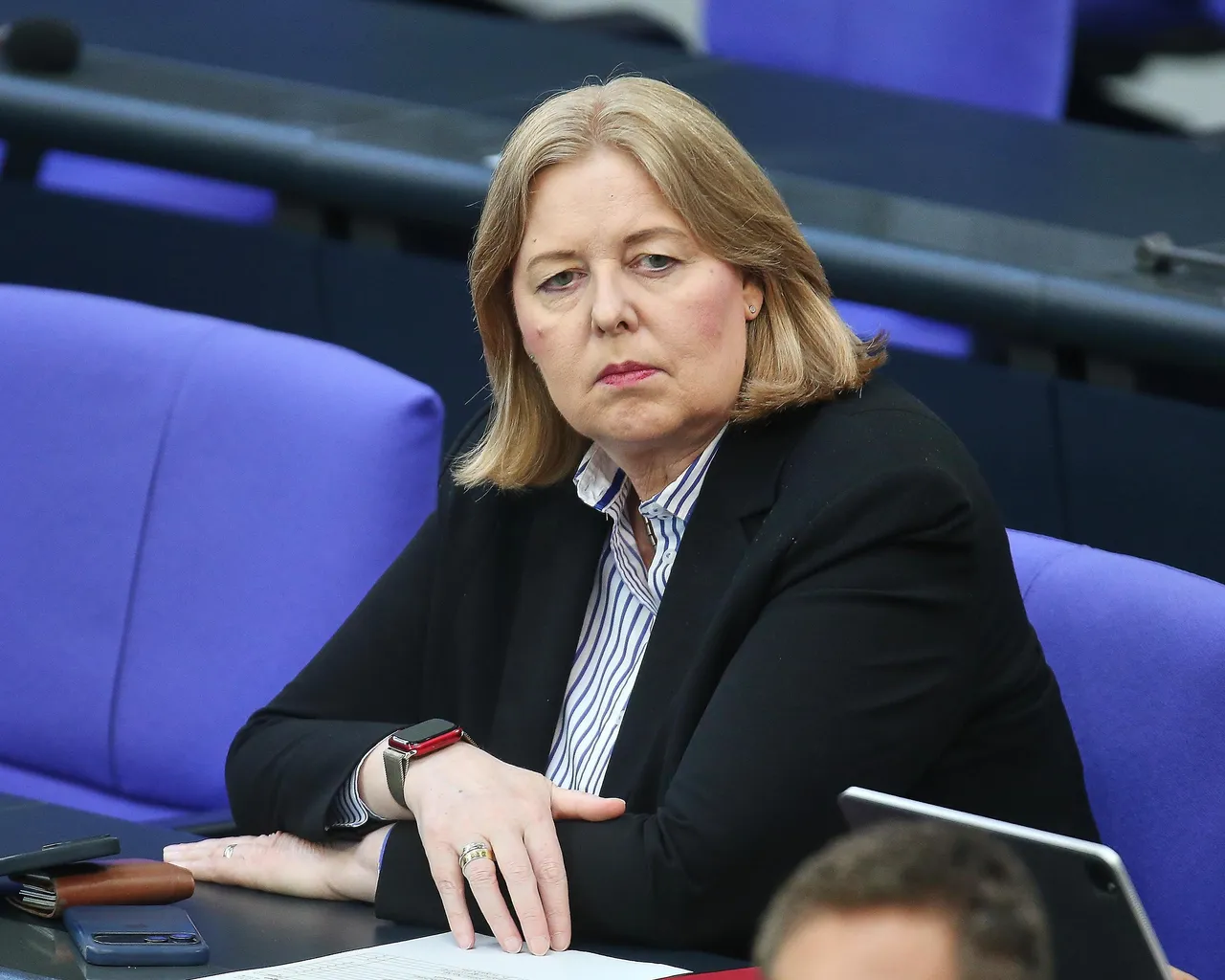
Germany's labour minister and co-leader of the Social Democrats (SPD), Bärbel Bas, has resigned from both posts, citing the death of her stepdaughter and subsequent political attacks against her during her period of grief.
"After my stepdaughter's death, I realised that I need time to come to terms with my grief," Bas said in a statement posted on Facebook, without giving further details.
Bas explicitly blamed public attacks against her as she grappled with the family tragedy, saying they came "unfortunately also from among the ranks of the coalition partner," Friedrich Merz's conservative Christian Democratic Union (CDU). She said the attacks "continued to intensify during this difficult time for me personally."
Some CDU lawmakers had criticised Bas's absences during a critical phase of an economic reform drive seen as crucial to the coalition government's survival, even though it was widely known she had experienced a death in her immediate family.
SPD co-leader Lars Klingbeil, who also serves as vice-chancellor and finance minister, expressed regret at her departure and condemned the attacks against her while she was mourning, calling them "indecent." He cancelled a planned trip to India to deal with the fallout from her resignation.
"We are competitors, and we need a culture of debate. But we also need a culture of mutual respect," Klingbeil told reporters.
Chancellor Friedrich Merz thanked Bas for "cooperation based on trust" and offered his condolences. "As a father and grandfather, I can only imagine how deeply felt this loss is for you. I wish you and your family strength," he wrote on X.
Alice Weidel, co-leader of the far-right Alternative für Deutschland (AfD), also offered her sympathies but said Bas's angry words towards the CDU showed that Merz's coalition government "is at its end," adding: "We need a fresh start for Germany."
The AfD, Germany's largest opposition party, is leading national opinion polls at around 30% following a strong performance in September's regional elections, which also saw gains for the hard left.
Bas, who will remain a member of parliament representing Duisburg in the former Ruhr mining region, is a former president of the Bundestag and one of the most experienced figures in the SPD. Her ministry oversees large parts of Germany's social welfare system, which Merz has targeted for cuts.
Widely regarded as a constructive bridge-builder capable of navigating the deep policy disputes that have plagued the coalition since its formation in May 2025, her departure is expected to be keenly felt.
The coalition remains sharply divided over how to revive Germany's struggling economy, the largest in the European Union. Merz is spearheading a pro-business savings drive, while the SPD insists on maintaining protections for workers' rights and benefits. Pension reform is also a pressing issue as German society ages rapidly, but plans to gradually raise the retirement age have met with strong resistance.
Approval ratings for Merz and his government have fallen sharply over the course of the year, with voters concerned about deindustrialisation, Chinese competition, and rising living costs.
Adding to the government's difficulties, one of Merz's own cabinet ministers, family affairs minister Karin Prien, publicly called last week for a change of course within the CDU. "We bit our tongues for two or three years but that's no longer an option," she said ahead of a weekend party leadership meeting. "The 'pure CDU' approach (pursued by Merz) has failed."
Merz has vowed to remain in office and press ahead with his policy agenda, describing it as the only way to counter what he called the "poison of authoritarianism" as extremist parties continue to gain ground. The next federal election is scheduled for 2029, but five further state elections are due next year.