European Union leaders arriving at a summit in Brussels have delivered stark warnings about the situation in Ukraine, calling for sustained financial and military support as winter approaches and expressing frustration over stalled efforts to pressure Russia into ending the war.
EU foreign policy chief Kaja Kallas set the tone on arrival, describing the situation in Ukraine as "really grave" with "no signs from Russia that they want to stop this war or into any sort of truce or peace."
"We need to support Ukraine, also to get through the winter, because winter is going to be harsh," Kallas said. "And that's why we really need to help Ukrainians to survive, to defend their country."
Kallas said she expects the issue of frozen Russian assets to be raised at the summit, reiterating that "we have agreed that we will not return the frozen assets, unless Russia pays reparations for Ukraine." She added that the EU is "trying to convince also our American partners" that more pressure needs to be put on Moscow, but acknowledged: "With our American allies, it's very difficult at the moment."
Denmark's Prime Minister Mette Frederiksen also warned that Ukraine is running out of funds, noting that "fighting a war is expensive" and that the country cannot produce the equipment it needs, particularly for air defence.
"As a result, you can see that the Russians are striking Ukrainian society much, much harder than they were not that long ago," she said.
Frederiksen stressed that the EU must ensure sufficient funding is in place for 2027. She pushed back firmly against any suggestion of closer relations with Moscow, warning that Russia continues to "seek to seize parts of Europe" and "wages war against Europe every single day, directly in Ukraine and through a hybrid war against the rest of us."
"If Russia wanted peace, they could simply stop the war," she said.
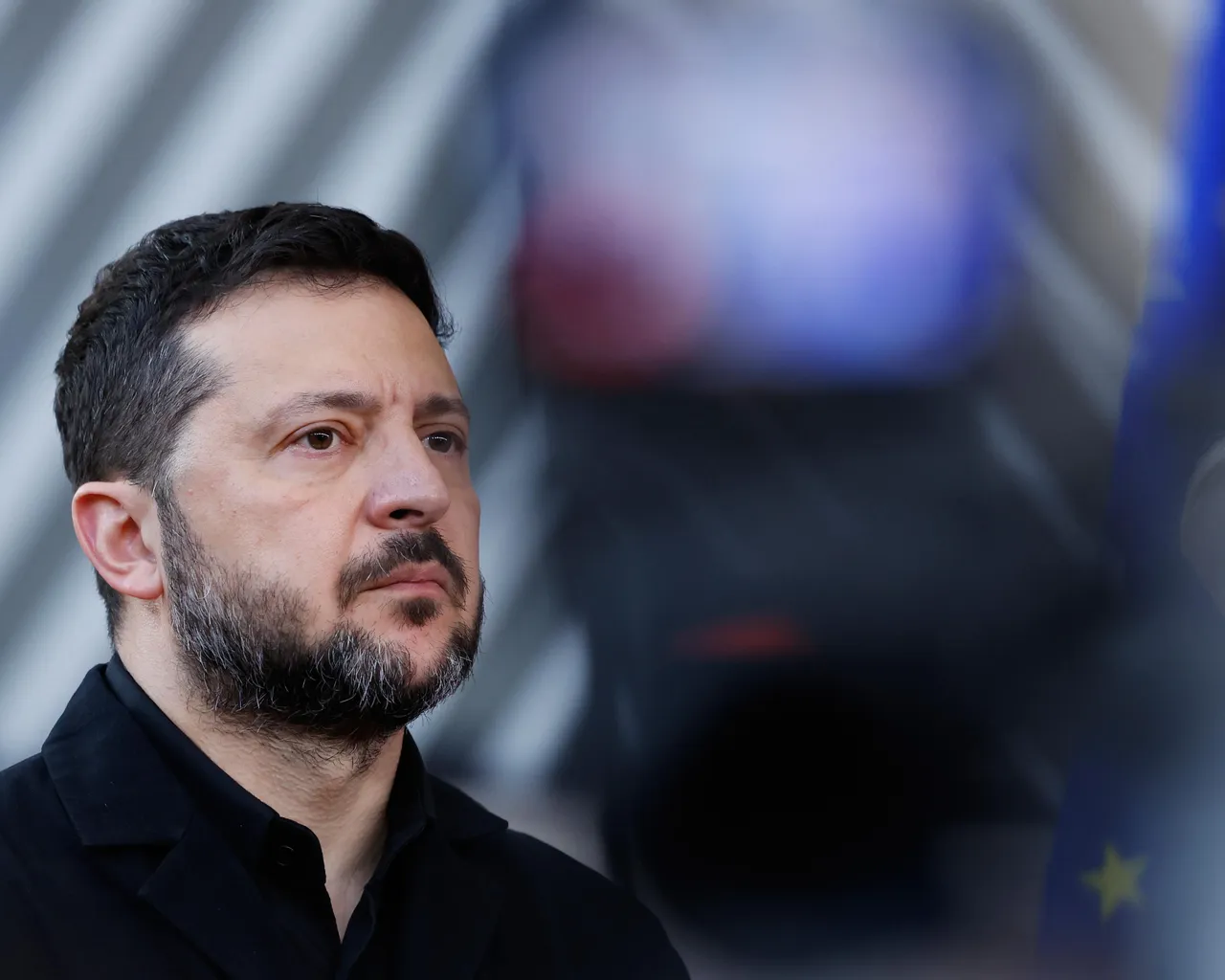
Frederiksen also dismissed media reports that some European leaders had asked Ukrainian President Volodymyr Zelenskyy to tone down his criticism of Donald Trump. "I haven't heard any European leaders say that," she said.
Irish Prime Minister Micheál Martin said "the very severe pressure that Ukraine is under needs a European response," pointing to the opening of accession clusters and the need to deploy the EU's 90-billion-euro loan to Ukraine as soon as possible.
Martin called for a "clearer landscape" on what the EU can offer Ukraine in the medium term, "whether it's immobilised assets or other mechanisms." He acknowledged that a previous push to deploy seized Russian assets had ultimately "came to nought."
He said Europe must "maintain the pressure on Russia" while also continuing outreach to the United States, making the case that "as far as Europe is concerned, Russia has been the aggressor from the beginning."
"What is happening now is, really, without any sort of regard for innocent civilian life, Russia is simply bombing civilian infrastructure, and endeavouring to kill as many people as possible in Ukraine and to put as much pressure as possible on the civilian population in Ukraine to try and force a Ukrainian climbdown. The stakes are high and the situation is of considerable concern," Martin said.
Latvian Prime Minister Andris Kulbergs framed the stakes in blunt terms, arguing that European comfort depends directly on supporting Ukraine.
"It is a super important moment because, well, if we want comfort in Europe and [be able to] eat croissant, drink coffee in the morning, and don't think about the threats, then we have to support Ukraine," he said.
Kulbergs also noted that Russia's oil revenues had increased as a result of developments in Iran and the crisis in the Strait of Hormuz, adding that "is not helping." He called for both financial and military support for Ukraine to help the country "go through this harsh winter ahead of us."