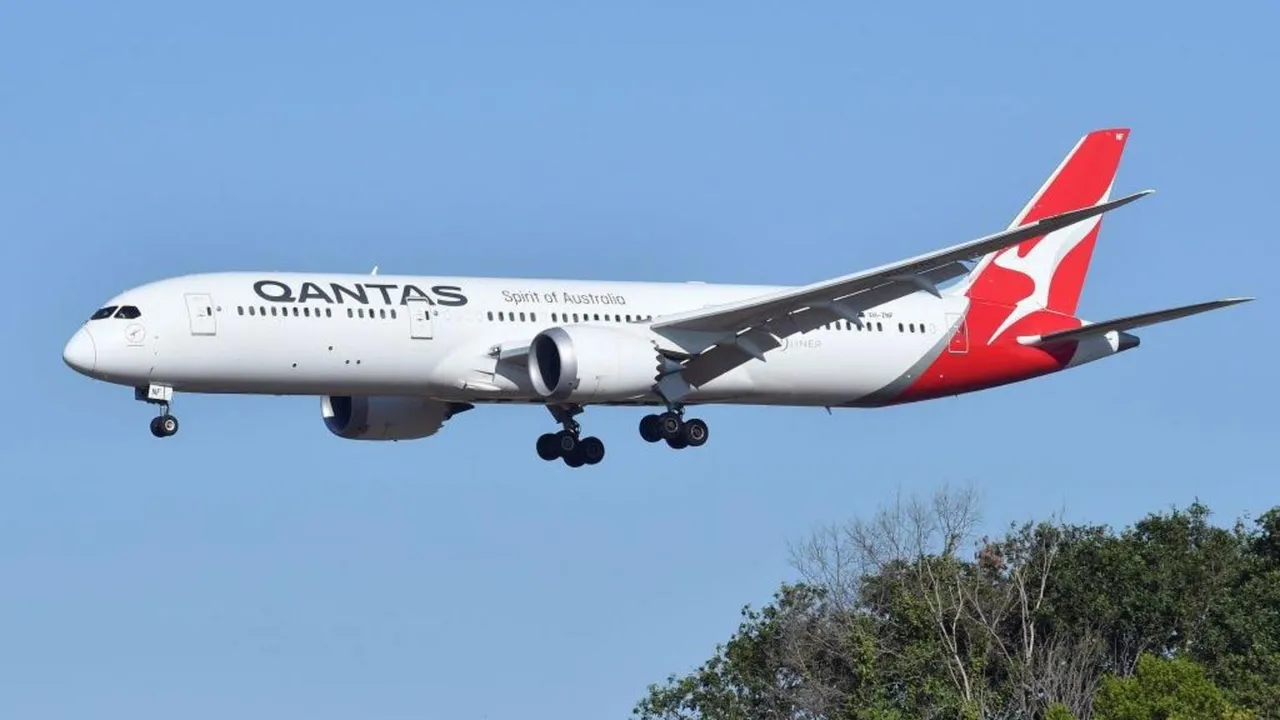
A Qantas Boeing 787 Dreamliner was grounded in Rome after bedbugs were discovered on board during a flight from Perth to the Italian capital, forcing the cancellation of the return service.
The parasitic insects were found in the front of the economy section of the aircraft during the QF5 Perth-to-Rome flight on 9 October, according to a source with knowledge of the incident. Some passengers complained of being bitten during the nearly 17-hour journey and were given antihistamines to ease the itching, though supplies ran out before the flight landed.
The aircraft was taken out of service upon arrival in Rome for a deep clean, resulting in the cancellation of the Rome-to-Perth service on 10 October.
"We sincerely apologise to customers for the cancellation of Saturday's Rome to Perth service, which allowed our engineers and maintenance teams to carry out a deep clean of the aircraft after an issue was identified on a small number of economy seats," a Qantas spokesperson said.
All affected passengers were provided with accommodation and rebooked on alternative flights within 48 hours of their original departure, the airline said.
Qantas added that its aircraft cabins are cleaned regularly and treated with disinfectant every 50 days as a standard precautionary measure.
Prof Michelle Power, a parasitologist at Macquarie University, said the bedbugs had "more than likely" been brought on board in a passenger's luggage or clothing before escaping into the cabin.
"They're associated with travel. People may go to a hotel that's infested and because they like dark spaces and are attracted to the smell of human clothes, they make their way into someone's luggage," Power said.
"They're a flightless insect, without planes," she added.
Power said bedbugs were not dangerous, despite their bites being itchy and irritating. She noted they were very difficult to eradicate and could hide in bedsheets and crevices for extended periods without needing to feed.
She said there were "two sides to bedbugs": wealthier, frequent travellers tended to pick them up and spread them, while people experiencing health inequities might not be able to afford pesticides or heat water to the 55 degrees Celsius required to kill the insects.
Bedbugs are small, wingless parasites that feed on the blood of mammals, including humans. Their bites are typically itchy but do not usually cause serious health problems. They can, however, be difficult and costly to eliminate, requiring hot washing of all bedding and clothing or prolonged freezing in sealed plastic bags.
Bedbug incidents involving transport are not uncommon. Several train services in England were cancelled in recent weeks after drivers discovered the insects in their cabs. In 2017, a British airline apologised to a family after they were left covered in bites during an overnight transatlantic flight.